KALINGA bill seeks to shield Filipinos from fuel-driven inflation

MANILA – House leaders are pushing the proposed KALINGA Act as a key measure to protect consumers from the ripple effects of rising fuel prices, especially amid growing global uncertainties affecting oil supply routes.
Faustino "Bojie" Dy III said the situation in the Strait of Hormuz—a critical global oil passage—underscores the urgency for government mechanisms that can cushion fuel price volatility.
Dy, along with Ferdinand Alexander "Sandro" Marcos, filed House Bill No. 8834, which proposes the KALINGA Program (Komprehensibong Alalay sa Livelihood, Inflation, Negosyo, and Goods Assistance). The measure aims to create a centralized framework to mitigate fuel-driven inflation while ensuring stable energy and goods supply.
The proposal outlines seven key pillars, including fuel price stabilization, energy supply security, targeted assistance, logistics support, MSME relief, energy conservation, and flexible fiscal measures.
At the core of the bill is a fuel price stabilization mechanism designed to address immediate impacts of oil price shocks. This includes targeted fuel subsidies for transport, agriculture, fisheries, and logistics sectors; flexible adjustments to fuel taxes; price-smoothing strategies; and temporary transport fare support.
Dy emphasized that the goal is to enable swift government action before rising fuel costs trigger broader inflation.
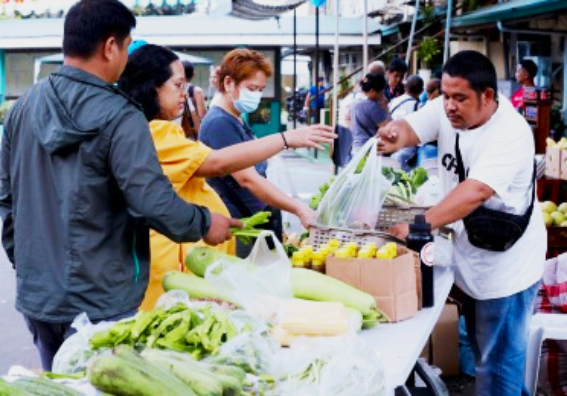
He noted that increases in fuel prices create a domino effect on transportation fares, food, electricity, and other essential goods, stressing the need for proactive intervention rather than reactive measures.
The bill prioritizes time-bound and targeted support for sectors most vulnerable to fuel price increases, particularly transport and food production industries.
The proposal is part of ongoing discussions by the Legislative Energy Action Development (LEAD) Joint Committee, which is conducting hearings to consolidate both short-term relief and long-term reforms in response to global oil market volatility.
Meanwhile, Miro Quimbo assured the public that the government is taking a balanced and data-driven approach to managing the fuel crisis.
Quimbo said the focus is not just on quick fixes, but on solutions that are effective, sustainable, and fiscally responsible. While global developments continue to pressure the economy, he noted that the country’s fuel supply remains stable, with affordability being the main concern.
He added that various policy options—including possible tax adjustments—are under careful review to ensure they provide real relief without compromising long-term economic stability.
The KALINGA bill represents one of the House’s key legislative responses aimed at softening the impact of global fuel price shocks and preventing a wider inflationary surge across the economy.
NPO News Team | Philippine News Agency - PR