CAR Farmers Urged to Follow Crop Programming to Lessen Impact of Dry Season

BAGUIO CITY – Farmers in the Cordillera Administrative Region are being encouraged to carefully follow crop programming and planting schedules to minimize the effects of the upcoming dry season.
The reminder came from the National Irrigation Administration in the region, which emphasized the importance of planning what crops to plant and when to plant them, especially when water supply for irrigation becomes limited.
According to Engr. Liza Jane Chakilis, chief of the Operations and Maintenance Division of National Irrigation Administration–CAR, proper crop planning helps farmers avoid the worst impacts of water shortages during the dry months.
“We plan when to plant and what to plant during the dry season so farmers will not feel the effects of water scarcity,” Chakilis said in a media interview.
She stressed that following the planting schedule is especially important for rice, which requires a large amount of water for proper growth and grain development.
At present, most rice crops in the region are already in their vegetative and reproductive stages, and farmers are expected to harvest by April.
April usually marks the peak of the dry season, when rivers and other irrigation sources may experience lower water levels.
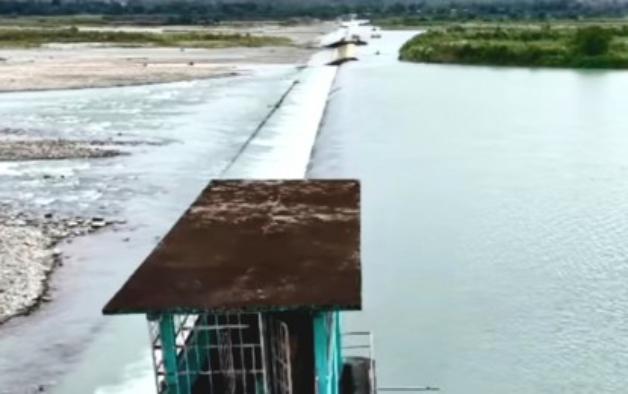
To ensure adequate water supply, the irrigation agency is closely monitoring several major rivers in the region that serve as irrigation sources. These include the Chico River, which runs from Mountain Province to Kalinga and drains into Isabela; the Abulug River in Apayao; and the Ibulao River in Ifugao.
Chakilis noted that water discharge from the Chico River has already decreased by about 50 percent, affecting irrigation in areas such as Pinukpuk and Tabuk City in Kalinga, as well as parts of Quezon, Isabela.
Meanwhile, water levels in the Abulug River remain stable, although the Ibulao River is also beginning to experience declining water levels.
The cropping calendar followed by farmers was developed with the help of the National Irrigation Administration, the Department of Agriculture, local government units, and other agricultural stakeholders.
After harvesting in April or May, farmers are expected to begin planting again by June when water supply from rivers and rainfall becomes more sufficient.
To help address water shortages, the irrigation agency has also been investing in solar-powered irrigation systems in several provinces in the Cordillera region, particularly in rice-producing communities. These systems provide an alternative source of irrigation and support agricultural production.
Some farmers who already have access to solar irrigation are even able to plant a third crop, Chakilis said.
However, most solar pumps currently installed have a capacity of about 15 horsepower, which can supply water to only 10 to 15 hectares of farmland.
Chakilis added that many irrigable areas in the region still require funding and development to further improve agricultural productivity.
She also encouraged farmers to work together in managing water resources.
“Even with limited water during the dry season, it can still be enough if we cooperate, follow the cropping calendar, and help remind fellow farmers,” she said. “We must also protect our watersheds because they are vital sources of water for our farms and communities.”
NPO News Team | Philippines News Agency – PR