PH, FAO Strengthen Agriculture Partnership During FAO Chief’s Visit

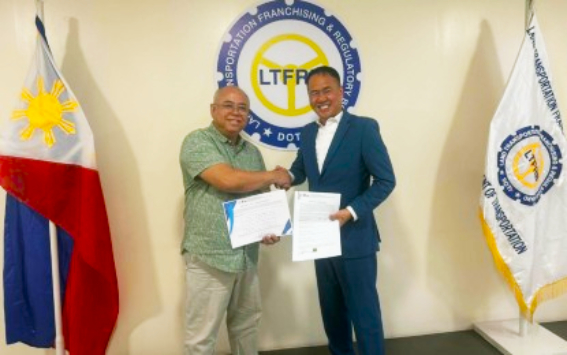
The Philippines and the Food and Agriculture Organization (FAO) are set to deepen their long-standing collaboration on agriculture and food security following the first official visit of FAO Director-General Qu Dongyu to the Department of Agriculture.
Agriculture Secretary Francisco P. Tiu Laurel Jr. highlighted that the visit marks a significant step in strengthening nearly five decades of partnership between the Philippines and FAO. He emphasized that joint efforts have long supported farmers and fisherfolk, particularly in vulnerable communities.
The Philippines, a founding member of the FAO, has been working closely with the organization since 1978. Through the Department of Agriculture, the country has implemented programs focused on sustainable farming, fisheries development, climate resilience, and food security.
Qu noted that the Philippines holds strong potential for agricultural growth, citing its rich biodiversity, robust fisheries sector, and young workforce. He added that these strengths position the country to advance FAO’s “four betters” agenda—improving production, nutrition, environmental sustainability, and overall quality of life.
During discussions, both sides acknowledged pressing global challenges such as climate change, biodiversity loss, and rising input costs driven by geopolitical tensions. They stressed the importance of coordinated regional strategies to protect farmers from economic shocks.
Tiu Laurel also called for stronger public-private partnerships to boost investments in irrigation, infrastructure, and postharvest facilities—key areas needed to increase productivity and farmer incomes.
Collaboration under the Hand-in-Hand Initiative is expected to expand further, with the Philippines preparing for a National Investment Forum in April and participation in upcoming global events in Rome. Priority sectors include seaweed, abaca, bamboo, and mango production.
On the regional stage, the Philippines confirmed its participation in the upcoming FAO Asia-Pacific Regional Conference in Brunei and reiterated its intention to host the 2028 edition. The country will also host the first Asia-Pacific conference on agricultural mechanization later this year.
Officials reported stable production in aquaculture and poultry, along with progress in addressing African swine fever through a highly effective vaccine.
Both parties reaffirmed their commitment to mobilizing funding from global institutions such as the Asian Development Bank and the World Bank, alongside climate financing sources, to build a more resilient and inclusive agricultural sector.
NPO News Team | DA Press Office - PR