Hormuz Strait crisis disrupts global fertilizer supply, raises food security fears

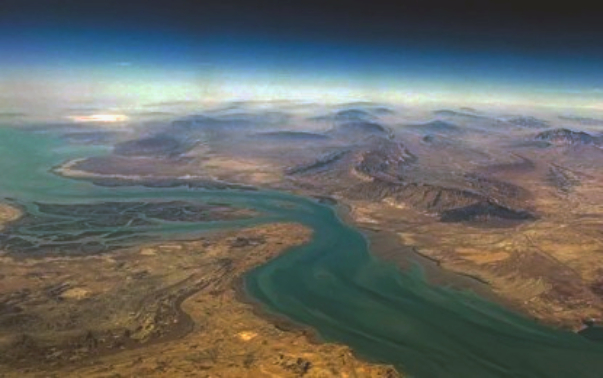
BERLIN — The ongoing crisis in the Strait of Hormuz is severely disrupting global fertilizer supply chains, driving up costs and raising concerns over food security worldwide.
The disruption follows escalating conflict in the Middle East that began on Feb. 28, when the United States and Israel launched attacks on Iran. In response, Tehran has tightened control over the vital shipping route, a key corridor for energy and agricultural inputs bound for global markets.
Shipping slowdowns and logistical bottlenecks in the waterway have halted a significant portion of fertilizer trade. Analysts estimate that around 38 percent of global nitrate-based fertilizer supply and 20 percent of phosphate-based supply have been affected, contributing to a broader contraction in the global fertilizer chain.
The Gulf region, a major hub for fertilizer production, supplies nearly half of the world’s urea exports. With shipments stalled, about 22 million tons of annual urea exports have been disrupted, intensifying pressure on global agriculture.
Industry data from firms such as Kpler and CRU indicate that the crisis has already reduced fertilizer supply flows by roughly one-third. At the same time, millions of tons of stockpiled urea remain stranded due to shipping constraints, raising the risk of crop losses during the ongoing planting season.
The impact is particularly severe for nitrogen-based fertilizers, which depend heavily on natural gas. With energy prices surging, production costs have risen sharply, forcing some facilities to scale back or halt operations.
Fertilizer prices have reacted quickly to the disruption. Urea prices jumped by about 50 percent from late February to mid-March, while ammonia prices in the Middle East climbed significantly as well.
Major fertilizer producers in the Gulf—including Saudi Arabia, Qatar, the United Arab Emirates, and Bahrain—have been affected, further tightening global supply.
Several countries are already feeling the strain. India has reduced gas allocation to fertilizer production, cutting output, while China has imposed export restrictions amid supply uncertainty. Brazil is facing shortages of phosphate fertilizers, and Australia warns its urea reserves could run out within weeks.
Meanwhile, rising insurance costs and shipping risks are compounding the crisis. Premiums for vessels transiting the region have surged dramatically, discouraging trade even where routes remain technically open.
Experts warn that even minor disruptions in fertilizer supply can lead to significant declines in global crop yields. The current situation is drawing comparisons to the 2022 supply shock triggered by the Russia-Ukraine war, though analysts caution this crisis could have even broader consequences if it persists.
Economists from the Food and Agriculture Organization note that modern agriculture depends on a steady supply of over 190 million tons of fertilizers annually. Any prolonged interruption could destabilize food production systems worldwide.
In the United States, farmers are already bracing for higher costs as they enter the spring planting season. Agricultural groups have warned of mounting financial pressure, citing rising fuel and input prices that could ultimately drive food inflation.
Analysts say restoring stability in global fertilizer markets will largely depend on the reopening of the Strait of Hormuz and the normalization of shipping routes in the region.
NPO News Team | Philippine News Agency - PR