DA Rolls Out Safeguards vs. Fuel-Driven Food Price Surge

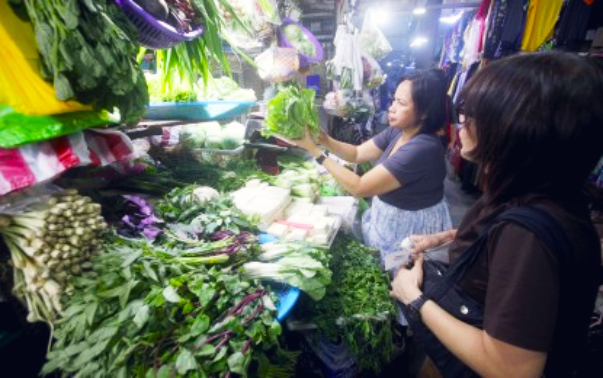
MANILA — The Department of Agriculture (DA) has assured that mitigation measures are in place to cushion the possible impact of escalating fuel prices driven by the ongoing Middle East conflict.
Speaking before the Senate Committee on Response and Oversight for Timely and Effective Crisis Strategy (PROTECT), Agriculture Secretary Francisco Tiu Laurel Jr. emphasized the importance of maintaining stability in the country’s food systems amid global uncertainties.
“Food security is not just an agricultural issue; it is national stability. Our task is to ensure that the system absorbs the shock rather than amplifies it,” he said.
While prices of basic agricultural commodities remain stable for now, the DA warned of potential increases if global crude oil prices reach USD200 per barrel and tensions persist for up to six months.
To address this, the agency has outlined a six-point strategy focused on strengthening domestic production, reducing input costs, improving logistics, diversifying supply sources, protecting consumers, and enhancing long-term agricultural resilience.
Key measures include the distribution of climate-resilient seeds, fuel subsidies for farmers and fishers, promotion of organic and alternative fertilizers, and investments in infrastructure such as cold storage and farm-to-market roads. The DA is also coordinating with transport and port sectors to manage logistics costs more effectively.
To protect consumers, the agency is intensifying price monitoring, preparing buffer stock releases, providing targeted food assistance, and considering price controls when necessary.
Under its worst-case scenario projections, the DA estimates a slight decline in rice production due to rising fertilizer costs, with total palay output potentially dipping below the projected 19.87 million metric tons.
Retail rice prices could surge significantly, with well-milled rice possibly reaching PHP67 per kilogram from the current PHP45 per kilogram. The impact may begin to be felt as early as August if fuel prices continue to climb.
Other commodities may also see increases, with chicken prices potentially rising to PHP324 per kilogram, while pork prices could reach as high as PHP588 per kilogram for belly cuts.
Despite these projections, Tiu Laurel noted that sufficient poultry supply and existing pork inventories may help moderate price increases.
He added that the government is prepared to balance support for both producers and consumers through flexible policies, including diversifying import sources and adjusting tariffs when necessary.
The DA also highlighted long-term strategies such as farm consolidation, digitalization, and climate adaptation to strengthen the resilience of the agriculture sector against future shocks.
NPO News Team | Philippine News Agency - PR