Price Council supports DA plan to cap imported rice at P50/kg

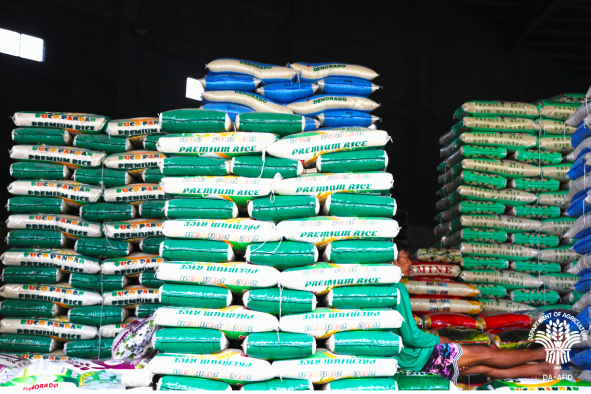
The National Price Coordinating Council (NPCC) has backed a proposal by the Department of Agriculture (DA) to impose a temporary price ceiling of P50 per kilo on imported rice, amid rising food costs driven by higher global oil prices linked to tensions in the Middle East.
The measure, which is pending approval by Ferdinand Marcos Jr., will apply to imported rice with 5 percent broken grains and will be in effect for 30 days.
It is intended as a short-term intervention to curb price increases on the country’s primary food staple, as inflationary pressures persist due to global uncertainties.
Higher fuel prices have increased transportation and logistics costs, contributing to rising retail prices of basic goods, including rice. As a major rice importer, the Philippines remains vulnerable to such external shocks, raising concerns about affordability and supply stability.
The proposal is anchored on the Price Act and existing executive policies, reflecting the government’s effort to prevent excessive price increases and possible profiteering. Rice is a key component of household spending, particularly among low-income families, making it a priority for price stabilization measures.
Agriculture Secretary Francisco P. Tiu Laurel Jr. noted that imported rice shipments that arrived before the February 28 attack involving the United States and Israel against Iran were procured at lower costs. He added that retail prices exceeding P50 per kilo may be considered excessive given prevailing cost structures.
However, economists warn that price caps must be implemented carefully, as they can distort market behavior, discourage imports, or lead to temporary shortages if mismanaged. Limiting the policy to 30 days suggests a calibrated approach while authorities assess market reactions.
Industry players are expected to closely monitor enforcement, which will be crucial in ensuring compliance without disrupting supply chains. Striking a balance between protecting consumers and maintaining incentives for traders will be key to the policy’s success.
Tiu Laurel said the move aims to cushion consumers from the impact of global oil-driven price increases while ensuring rice remains accessible and affordable.
The proposal highlights the government’s broader challenge of managing the domestic effects of global disruptions while maintaining market stability.
NPO News Team | DA Press Office - PR