DOE accelerates net metering, tightens fuel monitoring amid oil supply challenges

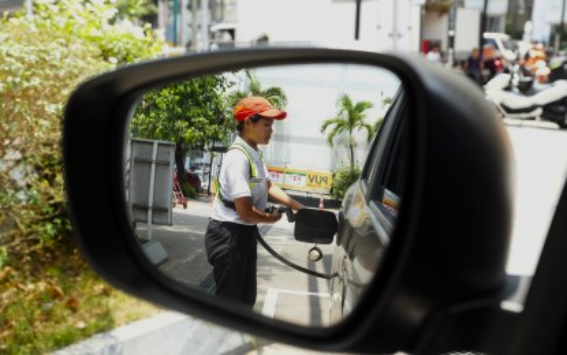
MANILA — The Department of Energy (DOE) is rolling out new measures to ease the impact of oil supply disruptions caused by the ongoing Middle East conflict, including speeding up the approval process for net metering applications and strengthening fuel station monitoring.
In a statement Wednesday, the DOE announced that distribution utilities (DUs) and electric cooperatives (ECs) must now complete net metering application processing within 10 days, while local government units (LGUs) have three working days to finish their part. This is a significant acceleration from the previous 20 working days for DUs and ECs, with LGU timelines varying before the change.
Net metering allows power consumers to install their own energy sources, like solar panels, and sell excess power of up to 100 kilowatts (kW) back to the grid, earning credits on their electricity bills.
“Every unnecessary delay in net metering is a delay in savings for Filipino consumers,” said Energy Secretary Sharon Garin. She emphasized the directive under Executive Order No. 110 issued by President Ferdinand R. Marcos Jr. declaring a national energy emergency to simplify and speed up approval processes, helping more households and businesses benefit from rooftop solar and reduce electricity costs amid global energy price shocks.
The DOE also released guidelines for deputized agencies conducting fuel station monitoring and inspections to ensure orderly and coordinated activities. These agencies include LGUs, the Philippine National Police (PNP), the National Electrification Administration (NEA), and the National Power Corporation (NPC).
The guidelines require inspectors to identify themselves properly, communicate their purpose, monitor fuel inventory and sales, verify unusual purchases, and document findings for DOE evaluation and action.
Recognizing essential sectors such as hospitals, transport, agriculture, telecommunications, and government services, the DOE stressed the importance of maintaining fuel availability and accessibility during this period.
Additionally, the DOE has tightened anti-hoarding policies in the downstream oil sector during the State of National Energy Emergency (SNEE) to prevent artificial shortages.
Key anti-hoarding measures include defining prohibited acts, setting temporary fuel purchase limits, regulating container-based transactions, enhancing monitoring through the Emergency Petroleum Monitoring System (EPMS), and establishing enforcement procedures such as Show Cause Orders.
The DOE is also reinstating the DOE–Department of Justice (DOJ) Task Force to investigate hoarding reports and pursue administrative or criminal actions under existing laws.
“These Guidelines are designed to ensure petroleum products flow efficiently where needed, supporting consumers, economic activity, and public order amid the global oil market disruptions caused by the Middle East conflict,” Secretary Garin said.
NPO News Team | Philippine News Agency - PR