Nueva Ecija Farmer Cuts Fertilizer Costs, Nearly Doubles Rice Yield

SANTA ROSA, Nueva Ecija (April 9, 2026)—At a time when farming profits are heavily influenced by volatile global input prices, one Nueva Ecija farmer is proving that innovation at the field level can make a significant difference.
Danilo Bolos, head of the Crisol Bagong Pag-asa Irrigators Association, is not introducing a commercial product but sharing a cultivation method backed by nearly 30 years of experience. During a recent harvest festival led by Agriculture Secretary Francisco P. Tiu Laurel Jr., Bolos showcased a rice production approach designed to lower costs, improve yields, and reduce dependence on urea-based fertilizers.
While many farmers consider harvesting 5 to 6 metric tons per hectare a solid outcome, Bolos’ method has produced yields of up to 10 metric tons per hectare on a 10-hectare demonstration farm. At the same time, fertilizer expenses were reduced by at least 25 percent—an important advantage as input costs continue to rise.
Bolos also challenges conventional practices as early as the seeding stage. Instead of the commonly recommended 15 kilograms per hectare, he uses 25 kilograms, arguing that higher seed density helps maximize early growth and overall yield potential.
His fertilizer strategy focuses on balance rather than elimination. The process begins with ammonium sulfate during seedbed preparation, followed by carefully timed applications of nitrogen and complete fertilizers such as 16-16-8 or 14-14-14. Potassium-rich inputs are later introduced to enhance grain development and strengthen plant resilience.
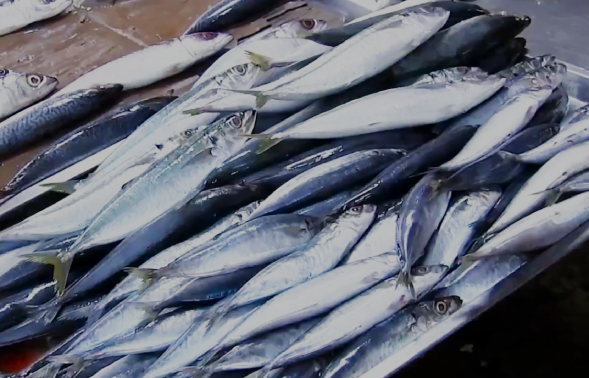
A key component of his system is a homemade organic input—fish amino acid—produced by fermenting fish waste with molasses. Applied up to 12 times throughout the growing season, the solution helps improve nutrient absorption, boost tillering, and support soil health. According to Bolos, its use has allowed him to stop applying pesticides and herbicides altogether.
The financial results are equally notable. Bolos said he sold freshly harvested palay at P26 per kilo, while his production cost was around P10 per kilo—significantly lower than the typical P14 per kilo in Nueva Ecija.
Adoption of the method is steadily increasing. About two-thirds of the association’s 150 hectares have already shifted to the protocol, with farmers reporting consistent yields across planting seasons. Interest has also spread beyond Luzon, with farmers from the Visayas and Mindanao reporting improvements after adopting the approach.
With fertilizer and fuel prices still uncertain, cost-saving innovations like Bolos’ method could play a crucial role in shaping farmers’ decisions. For many, the ability to produce more while spending less may be the key to staying profitable in an increasingly challenging agricultural landscape.
NPO News Team | DA Press Office - PR