DA ramps up preparations for possible strong El Niño in late 2026

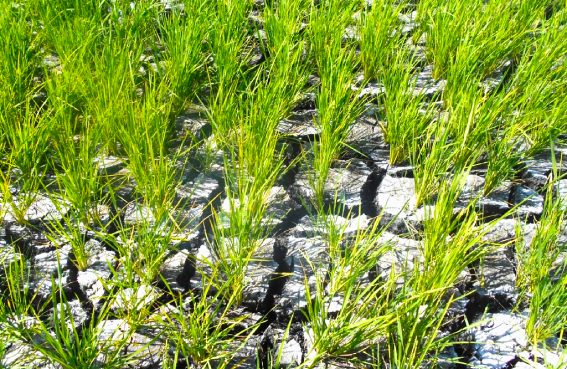
The Department of Agriculture (DA) is intensifying its preparations for a potential El Niño event expected later in 2026, cautioning that a moderate to strong episode could significantly affect farm production, reduce farmers’ incomes, and dampen economic growth.
Agriculture Secretary Francisco P. Tiu Laurel Jr. said the country should now focus less on whether El Niño will occur and more on how severe it will be, recalling the damage caused by the 2024 dry spell that hurt rice harvests.
Preparing for El Niño and the drought it may bring is part of a broader directive from Ferdinand Marcos Jr. to safeguard food security amid global uncertainties and increasing climate risks.
The DA has instructed its Masagana Rice Industry Development Program (MRIDP), led by Undersecretary Christopher V. Morales, to plan for worst-case scenarios. The initiative is working closely with the Philippine Rice Research Institute and other agency units. These efforts come as rising energy costs continue to strain farmers by increasing production expenses.
PhilRice Executive Director John de Leon said data from the Philippine Atmospheric, Geophysical and Astronomical Services Administration indicates a 92% likelihood of a moderate to strong El Niño based on the El Niño-Southern Oscillation (ENSO) outlook.
Some global climate models even suggest the possibility of a “super” El Niño, with temperature increases of up to 2.2°C. Such conditions could sharply reduce rainfall and put pressure on water supplies in major farming areas.
To lessen the impact, DA officials are reviewing rainfall forecasts and water availability to refine planting strategies. Proposed measures include shifting to less water-intensive crops like mung beans, adjusting planting schedules, and expanding solar-powered irrigation systems to reduce dependence on costly fuel and electricity.
The agency is also coordinating with the National Irrigation Administration to improve water distribution and ensure irrigation systems are ready for extended dry periods.
The urgency of these preparations stems from recent experience. In 2024, agricultural output fell by 2.2%, driven by a 4.2% decline in the crops sector, which makes up more than half of total farm production. Rice and corn were among the hardest hit.
Officials warn that the combined effects of climate stress and rising energy costs could threaten food supply, increase prices, and slow economic growth. Since rice heavily influences inflation, even small disruptions in production could have wide-reaching economic consequences.
Authorities stress that early, coordinated action will be essential to protect farmers’ livelihoods and maintain national food security.
NPO News Team | DA Press Office - PR