RICE TO RISE: NATIONAL LEADERS, SCIENTISTS, POLICYMAKERS, AND AGRICULTURE ADVOCATES UNITE TO SECURE THE FUTURE OF PHILIPPINE FOOD SECURITY

RICE TO RISE: NATIONAL
LEADERS, SCIENTISTS, POLICYMAKERS, AND AGRICULTURE ADVOCATES UNITE TO SECURE
THE FUTURE OF PHILIPPINE FOOD SECURITY
Historic Multi-Sectoral
Roundtable Calls for Urgent Climate-Smart Transformation of Philippine Rice,
Agriculture, and Aquaculture Industries
MAKATI CITY, Philippines – May 29, 2026 — As the Philippines faces
increasing threats from climate change, recurring droughts, food supply
disruptions, and growing pressure on agricultural productivity, a distinguished
gathering of scientists, policymakers, business leaders, agricultural
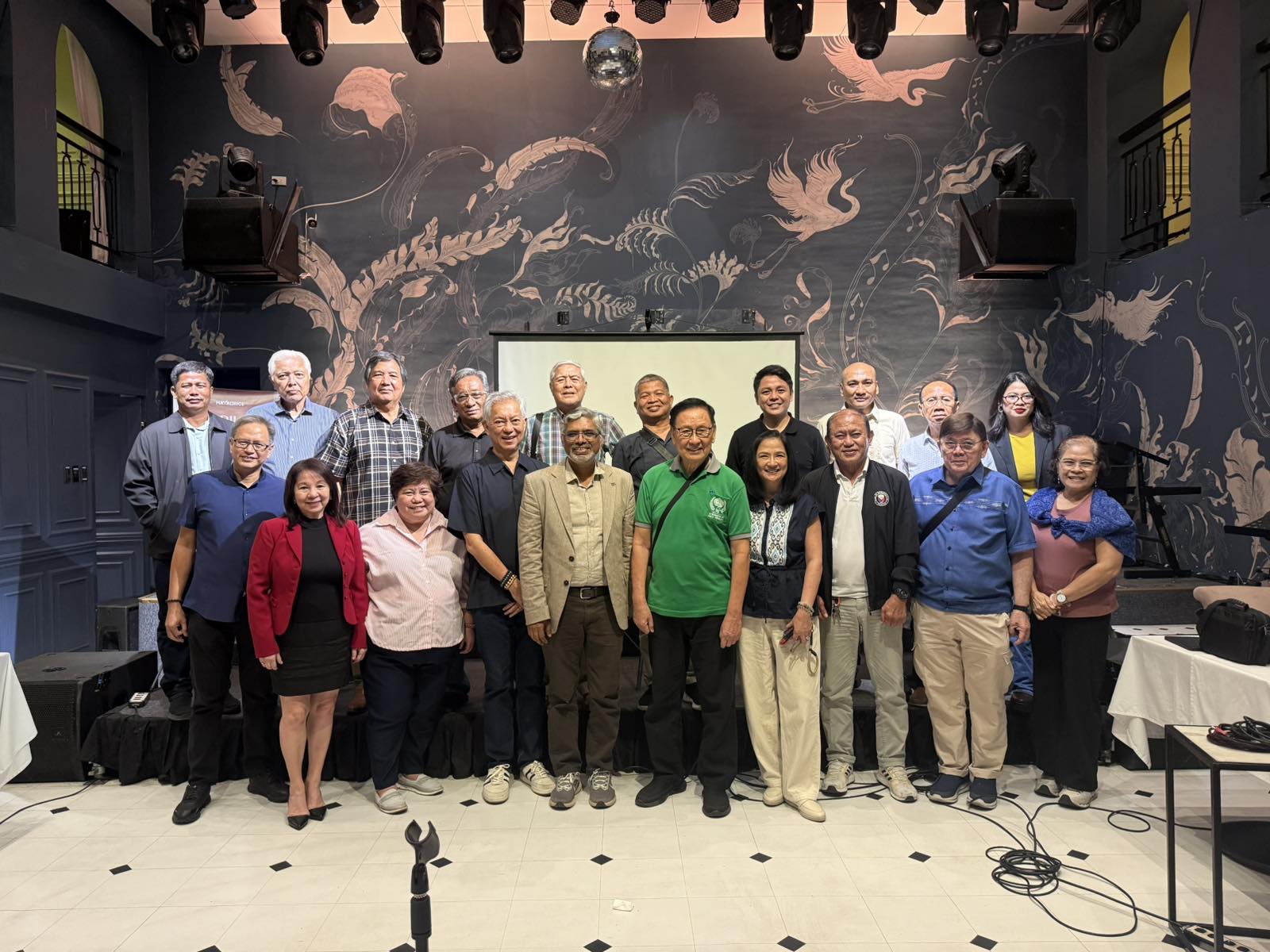
advocates, innovators, and former government officials convened for a landmark Multi-Sectoral
Roundtable Meeting on the Rice Industry and Related Agriculture and Aquaculture
Concerns held at Pardon My French Restaurant, Jupiter Street, Bel-Air,
Makati City.
Hosted by Mr. Julio Sy Jr., Chairman of TAO
Foods Corporation and proponent of the transformative Rice to Rise
Program, the event brought together influential stakeholders committed to
developing strategic solutions that will strengthen the country's food
security, agricultural resilience, and long-term sustainability.
A major pillar behind the success of the forum was
the active collaboration and leadership of Former Congressman Jonathan Dela
Cruz, one of the principal organizers and a passionate advocate for food
security, agricultural modernization, and rural development. Congressman Dela
Cruz emphasized that the future of Philippine agriculture requires stronger
partnerships among government institutions, private enterprises, research
organizations, farmers' groups, cooperatives, and technology innovators.
He stressed that food security must be elevated as
a national development priority, requiring immediate investments in
climate-smart agriculture, farmer empowerment, innovation ecosystems, and
sustainable food production systems. Participants recognized his contribution
in bringing together key stakeholders whose collective expertise can help shape
a stronger and more resilient agricultural future for the nation.
The event's keynote scientific briefing was
delivered by Dr. Jauhar Ali, Chief Scientist and Rice Breeder of the International
Rice Research Institute (IRRI), who provided participants with a
comprehensive overview of the global rice situation and the future role of
hybrid rice technologies in addressing food security challenges.
Dr. Ali presented compelling evidence showing that
rice production worldwide is entering a critical period due to climate change,
increasing temperatures, water scarcity, unpredictable weather patterns, and
declining agricultural resources. He emphasized that climate-resilient hybrid
rice varieties will become increasingly important in ensuring food sufficiency,
improving farmer incomes, and protecting agricultural productivity against
future environmental challenges.
According to Dr. Ali, the Philippines and other
tropical countries must prepare now for more frequent and severe drought
conditions, including stronger El Niño events, which could significantly impact
rice production and national food supplies if proactive measures are not
implemented.
Among the distinguished participants were Pablito
Villegas, former executive of the Land Bank of the Philippines,
President and Owner of Villegas Organiks; Laura Love P. Guevara,
President and Chief Operating Officer of TAO Foods Corporation; agricultural
entrepreneurs; business leaders; technology innovators; development advocates;
and former government officials who share a common vision of achieving
agricultural prosperity and food security for the Philippines.
A major highlight of the gathering was the
presentation of TAO Foods Corporation's innovative hybrid rice products,
particularly the homegrown varieties Marilag and Dinorado, which
demonstrate the country's growing capability to develop high-performing,
climate-resilient rice varieties suited to local farming conditions. These
innovations showcase how science, technology, and local expertise can work
together to strengthen domestic food production and improve agricultural
competitiveness.
The roundtable discussions highlighted that the
Philippine rice industry is currently navigating a highly volatile and
transformative period. Experts agreed that traditional farming approaches alone
will no longer be sufficient to address future food demands and climate-related
risks. Instead, the country must embrace climate-smart agriculture, advanced
breeding technologies, digital farming systems, precision agriculture,
efficient water management, and integrated food production ecosystems.
Adding an important technological perspective to
the discussions was Henry V. Bayubay, Digital Scientist, member of the
Filipino Inventors Society Multipurpose Cooperative (FISMPC), and President of
BB88 Advertising and Digital Solutions Inc.
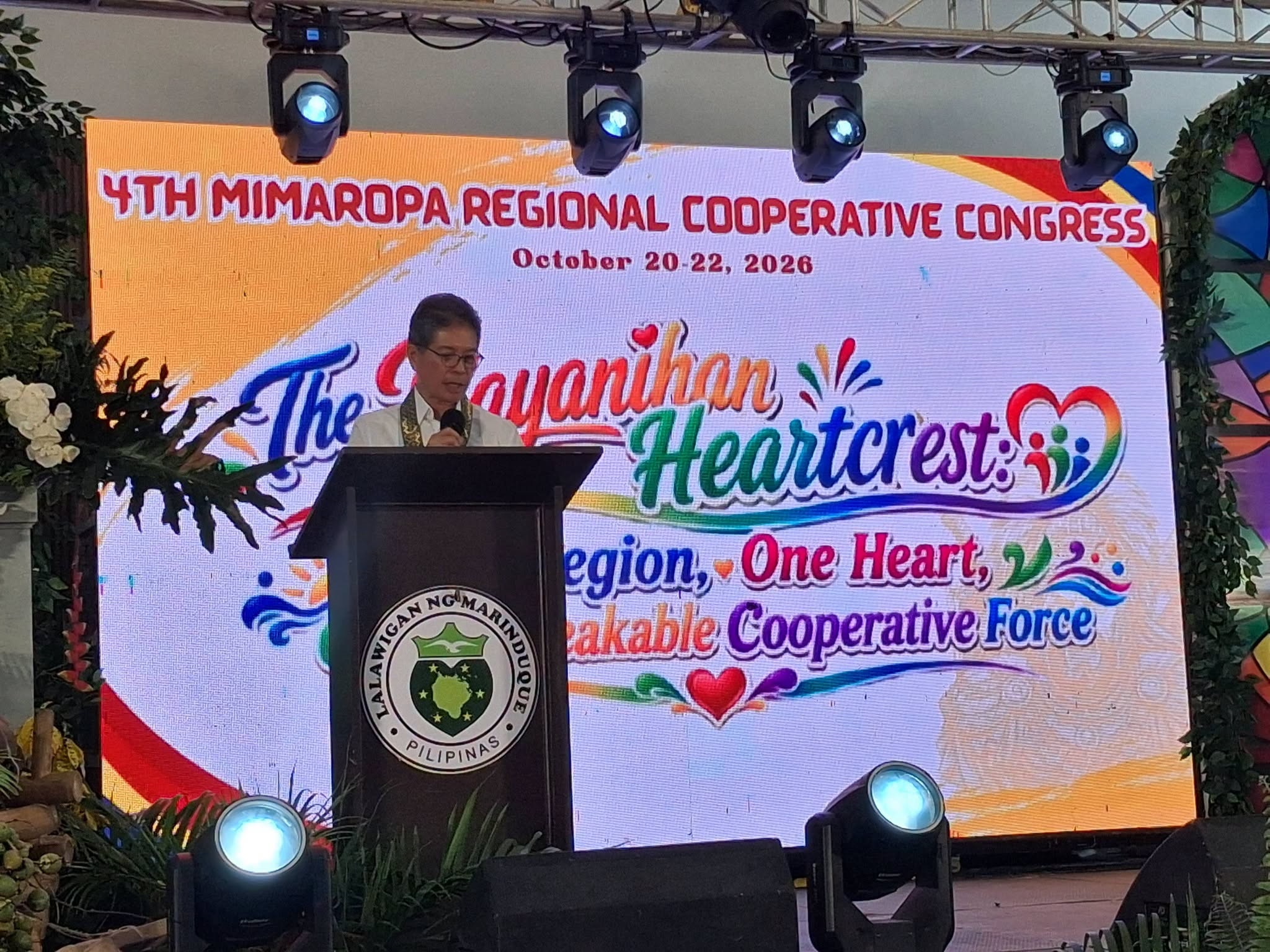
Mr. Bayubay presented his vision for a
technology-enabled agricultural future through the BC AGRI-System, an
integrated Climate-Smart Agriculture platform designed to increase farm
productivity, enhance agricultural monitoring, support data-driven
decision-making, and improve resilience against climate-related risks.
He also introduced the Bagsakan Ecosystem,
an innovative farm-to-market framework aimed at directly connecting farmers,
producers, cooperatives, institutional buyers, retailers, and consumers. The
ecosystem seeks to reduce inefficiencies in agricultural supply chains,
minimize post-harvest losses, improve pricing transparency, and create greater
economic opportunities for farming communities.
"Our farmers must not only produce more
food—they must also earn more from their hard work. Technology, innovation,
science, and market access must work together if we are serious about building
a food-secure and prosperous Philippines," Bayubay emphasized during the
forum.
Throughout the discussions, participants repeatedly
underscored that climate change represents one of the most significant
long-term threats to Philippine agriculture. Scientific forecasts suggest that
drought events, extreme weather conditions, and El Niño phenomena may become
increasingly severe in the coming decades, making preparedness and adaptation
essential national priorities.
The gathering concluded with a strong consensus to
foster deeper collaboration among government agencies, scientific institutions,
private sector stakeholders, farmers' organizations, cooperatives, technology
developers, and investors to formulate a comprehensive master plan for food
security, agricultural innovation, and climate resilience.
More than a policy dialogue, the roundtable
represented the beginning of a broader movement aimed at transforming
Philippine agriculture into a globally competitive, technology-driven,
climate-resilient sector capable of feeding future generations while improving
the livelihoods of millions of Filipino farmers and fisherfolk.
The message from the gathering was clear and
urgent:
"The future of Philippine
food security cannot wait. The time to innovate, collaborate, invest, and
transform agriculture is now."
About the Rice to Rise Program
The Rice to Rise Program is a collaborative
initiative that promotes climate-smart agriculture, hybrid rice innovation,
sustainable food production systems, farmer empowerment, and strategic
partnerships aimed at strengthening food security and agricultural resilience
throughout the Philippines.
NPO News Team!